
I run guided hiking tours in the High Atlas Mountains from the village of Imlil.
This site also covers the wider picture of travelling in Morocco, because most people who come for the mountains want to see more of the country while they’re here.
I know the landscapes, trails, villages, and regions where I guide and can help you discover places beyond the standard tourist routes.
With over eight years of experience working as a professional guide, I have welcomed travelers from different countries and backgrounds.
Your safety and comfort are important throughout every excursion, hike, and trekking adventure.
I can adapt experiences according to your interests, fitness level, schedule, and travel style.

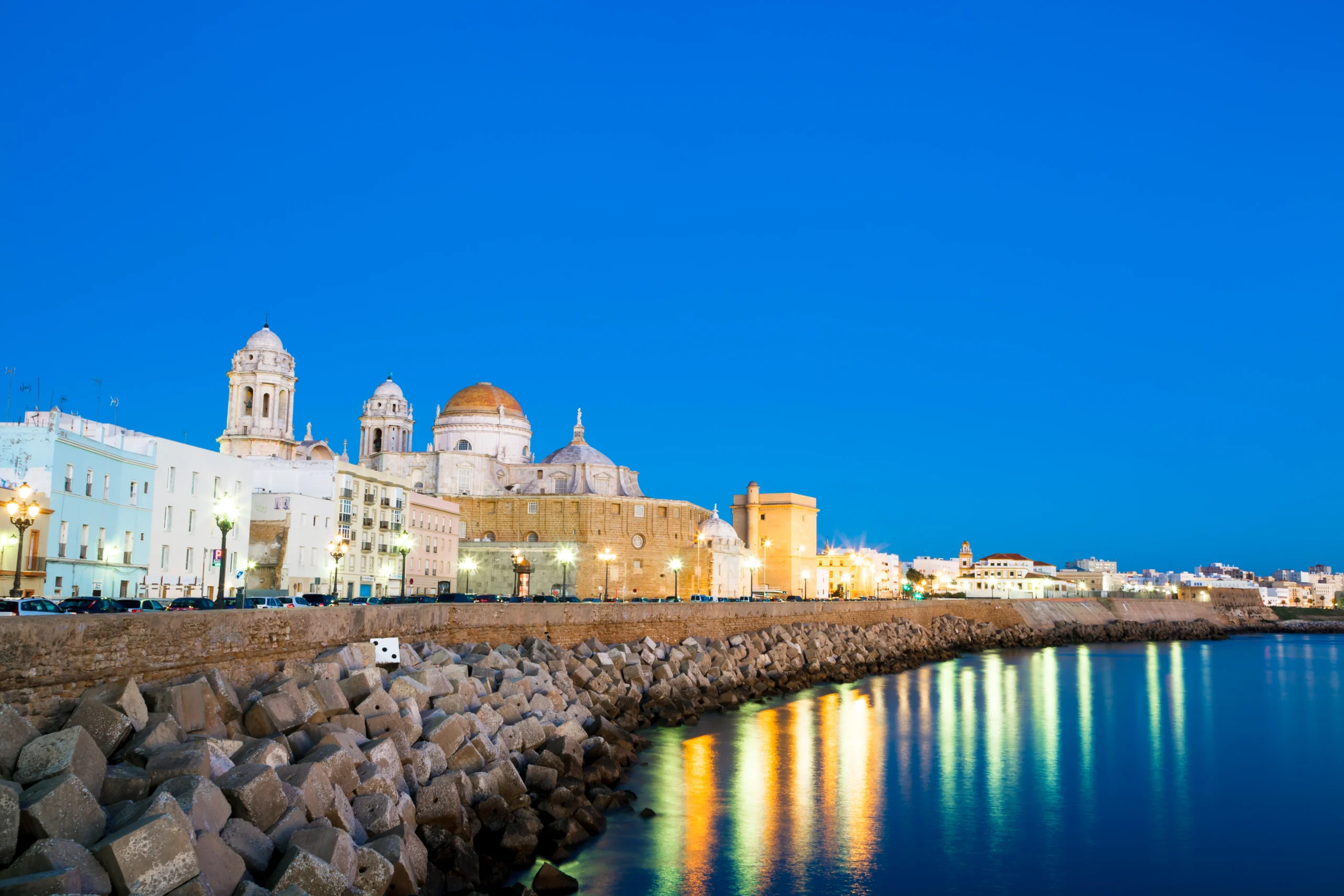
As a local Moroccan guide, I take international hikers beyond the usual tourist trail, from the peaks of the Atlas Mountains to hidden Berber villages, desert dunes, and coastal towns. Wherever you want to explore, I’ll take you there with the knowledge, safety, and care of someone who calls this country home.


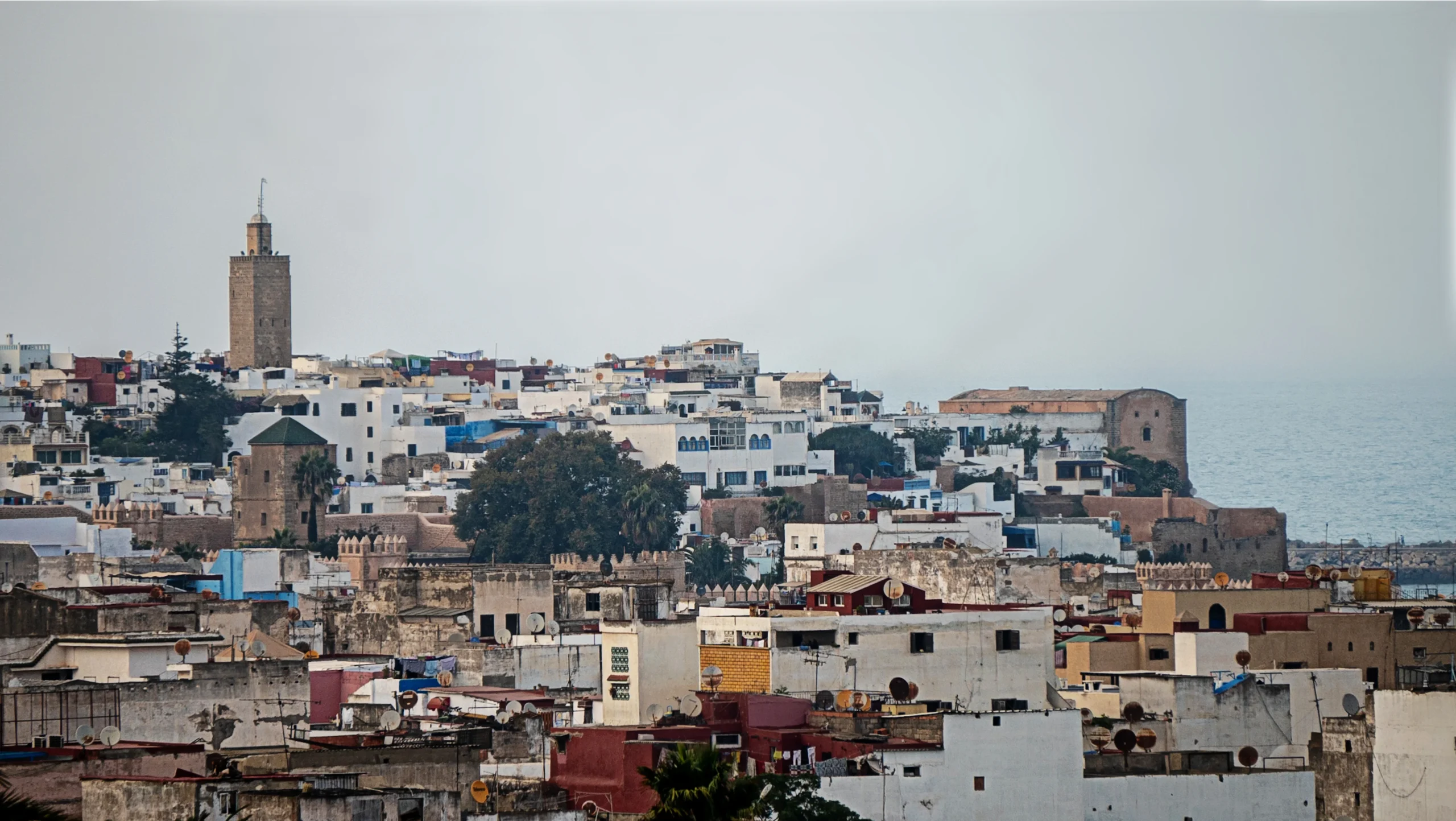
Discover Morocco with me, Abdellatif, an experienced local and mountain guide with more than 8 years of professional experience. Based in Morocco, I offer personalized guided experiences for travelers who want to explore the country’s mountains, desert landscapes, traditional villages, and local culture.
With strong knowledge of Morocco’s diverse regions and hidden trails, I help visitors experience the country beyond the typical tourist routes, combining local knowledge, cultural discovery, adventure, and professional guiding.
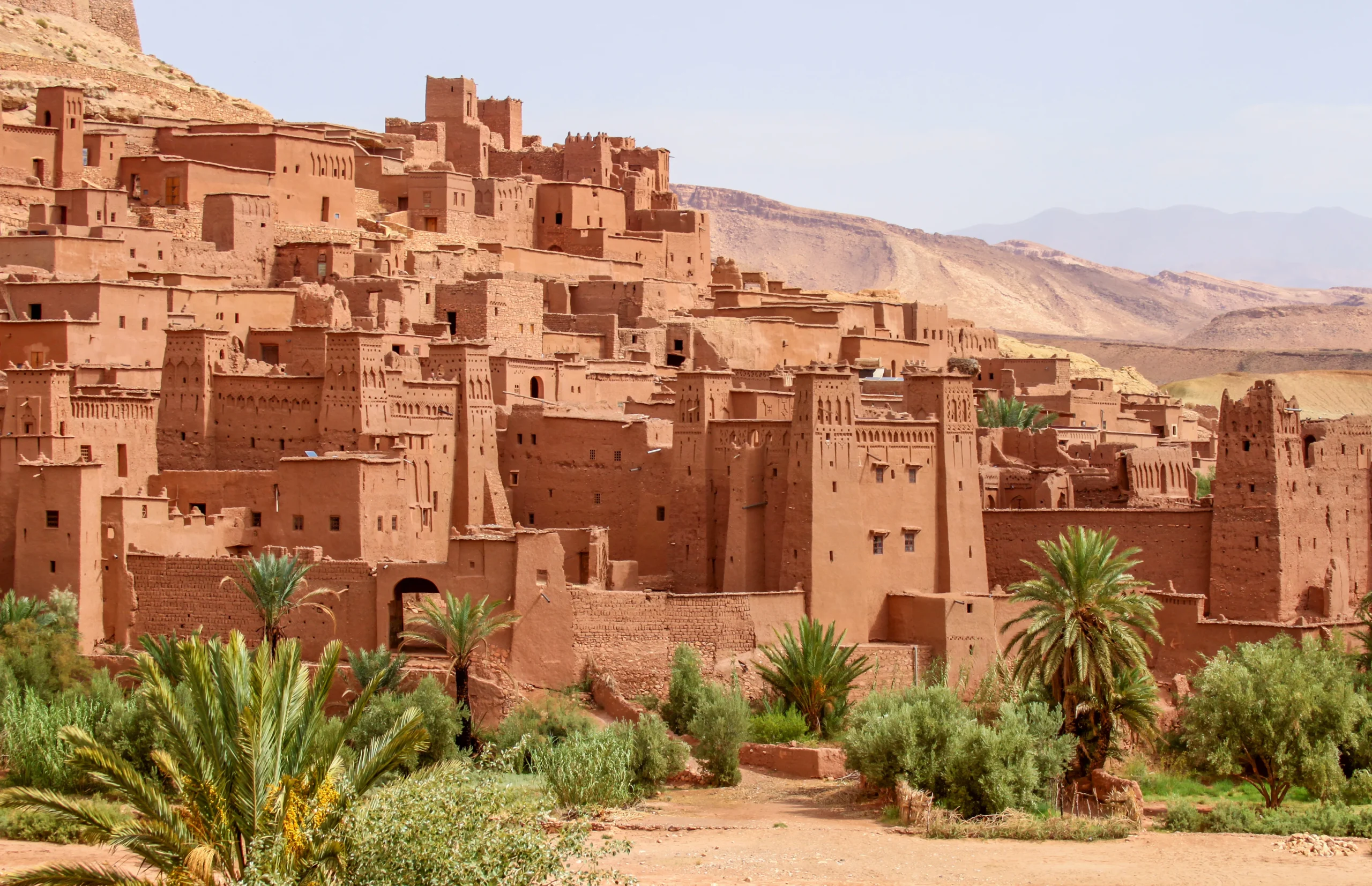
Marrakech is where most visitors start. The medina is a UNESCO World Heritage site built around Djemaa el-Fna, a square that fills with food stalls and musicians every evening. Beyond the square, the souks branch into narrow alleys selling leather, copperwork, and whatever else you didn’t know you needed.
The Koutoubia Mosque minaret works as a compass point when you lose your bearings.
Fes is older and harder to navigate. Fes el-Bali is the world’s largest car-free urban zone. It feels like it, too. The Chouara Tannery and workshops, where families still produce blue ceramics and hand-tooled leather goods the same way they did 500 years ago, sit inside those walls.
If Marrakech feels like a performance, Fes feels like eavesdropping on daily life.
Meknes and Rabat get overlooked, which is exactly why they’re worth the stop. Fewer crowds, genuine local neighborhoods, and the Roman ruins at Volubilis are just 30 km from Meknes.
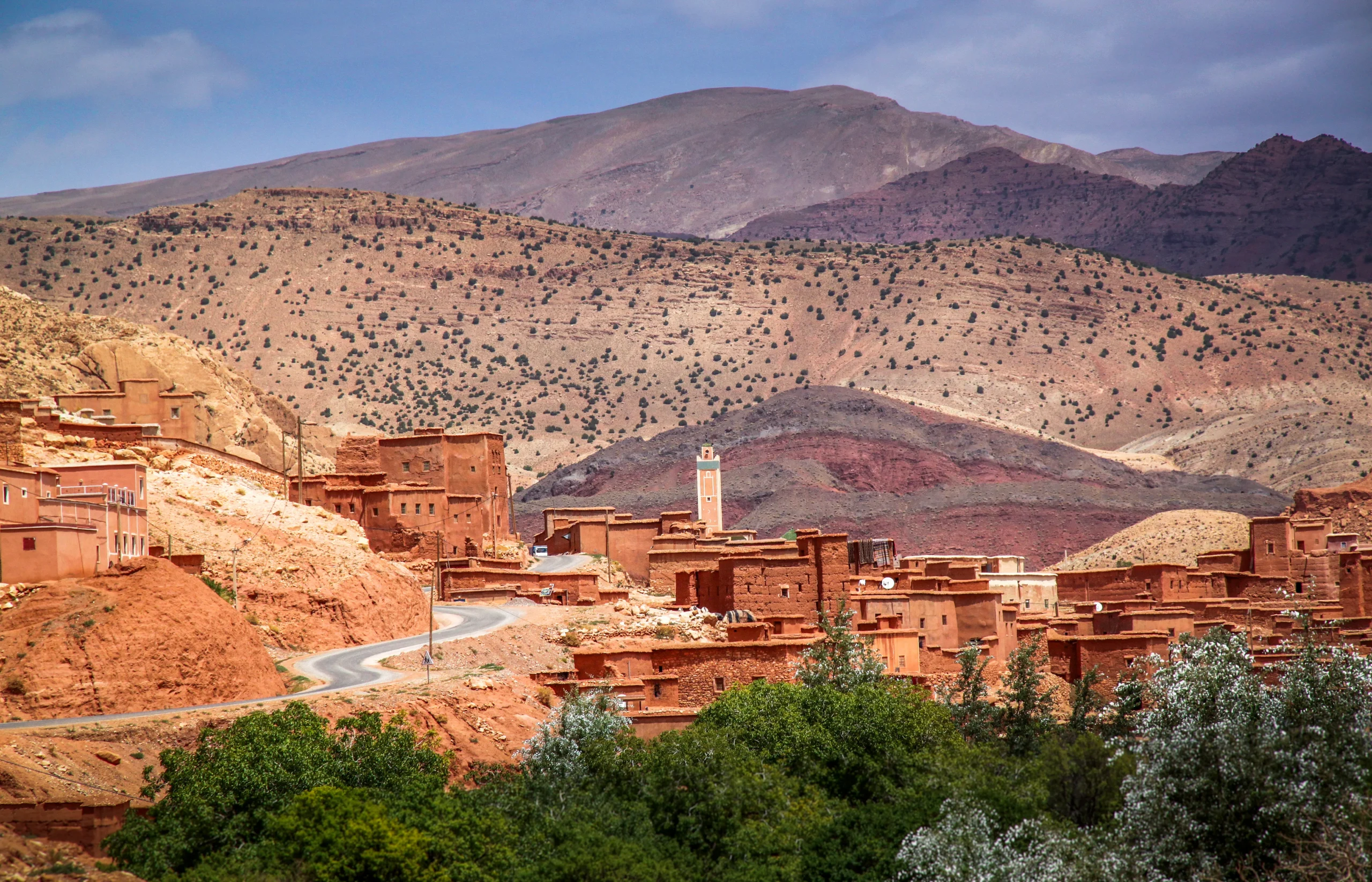
Explore the spectacular Atlas Mountains of Morocco with an experienced mountain guide. Whether you are looking for a short day hike, a village walk, or a multi-day trekking adventure, Abdellatif can help you discover some of Morocco’s most impressive mountain landscapes, valleys, trails, and traditional villages.
My expertise in Atlas Mountains hiking, trekking trails, mountain villages, and outdoor adventures allows travelers to enjoy authentic experiences while discovering the natural beauty and local way of life of the Moroccan mountains.
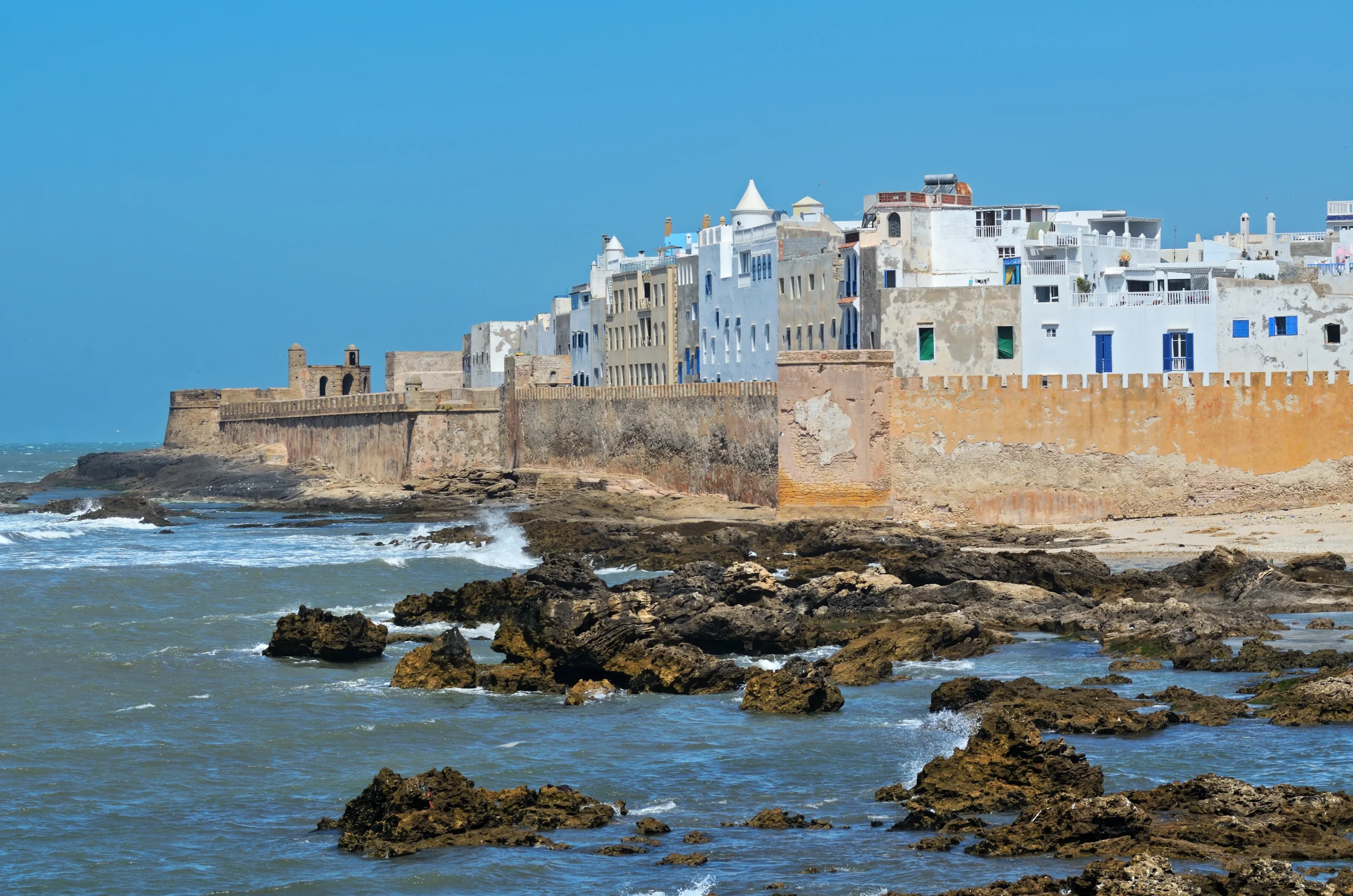
Two thousand kilometers of coastline run from Tangier down to Dakhla. Surfing, seafood, and port towns with a completely different pace from the interior.
I operate summit treks to Jebel Toubkal (4,167m), the highest peak in North Africa, departing from Imlil in the High Atlas.

Two days, one night at the mountain refuge, and roughly 2,400m of total elevation gain. Day one takes you from Imlil (1,740m) up through the Ait Mizane Valley, past the village of Aroumd and the shrine at Sidi Chamharouch, to the Toubkal Refuge at 3,207m.
That’s 5 to 6 hours of walking with the mules carrying your heavy bags.
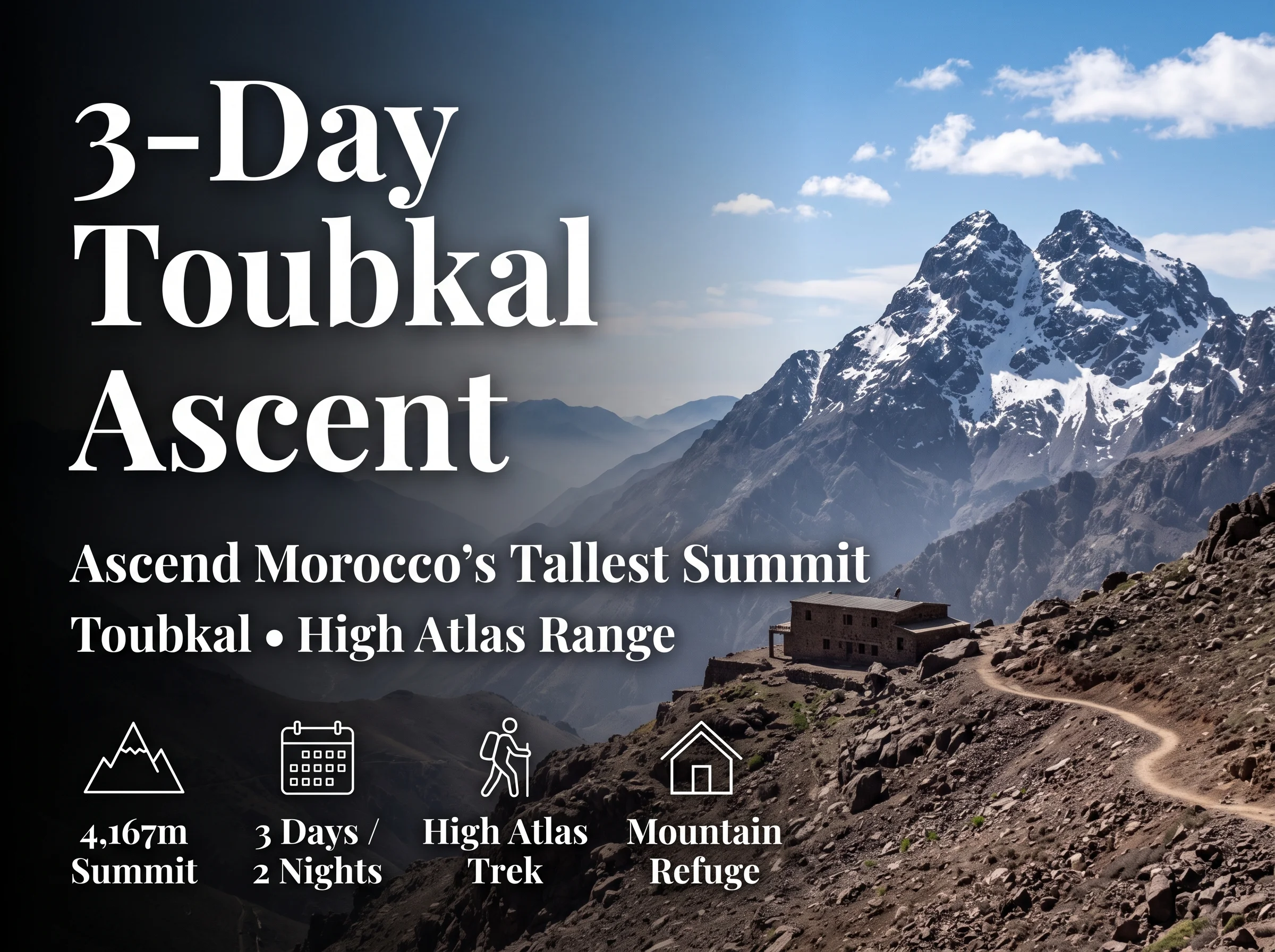
Three days, two nights on the mountain, and a far better chance of reaching the summit feeling strong. Day one is a lower-altitude hike through the Imlil Valley and surrounding Amazigh villages, walking through terraced farmland and ancient irrigation channels at 1,800 to 2,200m.
You eat lunch in a family home and sleep at a village guesthouse.

Yes. Serious crime against tourists is rare. The real annoyances are persistent touts, inflated prices, and the occasional pickpocket in crowded souks. Keep valuables close, hire a licensed guide for your first Medina walk, and you'll be fine.
Spring (March to May) and autumn (September to November) give the best temperatures across the whole country. Summer works on the Atlantic coast, but inland cities and the Sahara push past 40°C. Winter is underrated: fewer crowds, lower prices, and snow on the Atlas peaks.
Seven days cover one region properly. Ten days let you combine two cities with a Sahara trip at a reasonable pace. Trying to see everything in under ten days usually means more time in a car than anywhere else.
Most European, UK, US, Canadian, and Australian passport holders enter visa-free for up to 90 days. Your passport must be valid for at least six months from the date of entry.
Cover shoulders and knees in medinas and smaller towns. Lightweight trousers or long skirts work well. Nobody expects you to dress like a local, but modest clothing is appreciated. Beachwear stays at the beach.
Solo female travelers visit Morocco daily without problems. Verbal attention happens in Marrakech and Fes but is mostly annoying rather than threatening. A private guide or small group tour takes the pressure off navigating the medinas alone.
English is widely understood in Marrakech, Fes, and tourist areas. Outside those zones, French takes over. In the Atlas Mountains and rural villages, your guide handles communication. A few Arabic greetings go a long way.
A traditional Moroccan house is built around an inner courtyard, often with a fountain or garden at the center. Many have been converted into guesthouses in the medinas of Marrakech and Fes. Staying in one puts you inside the old city rather than in a modern hotel district.